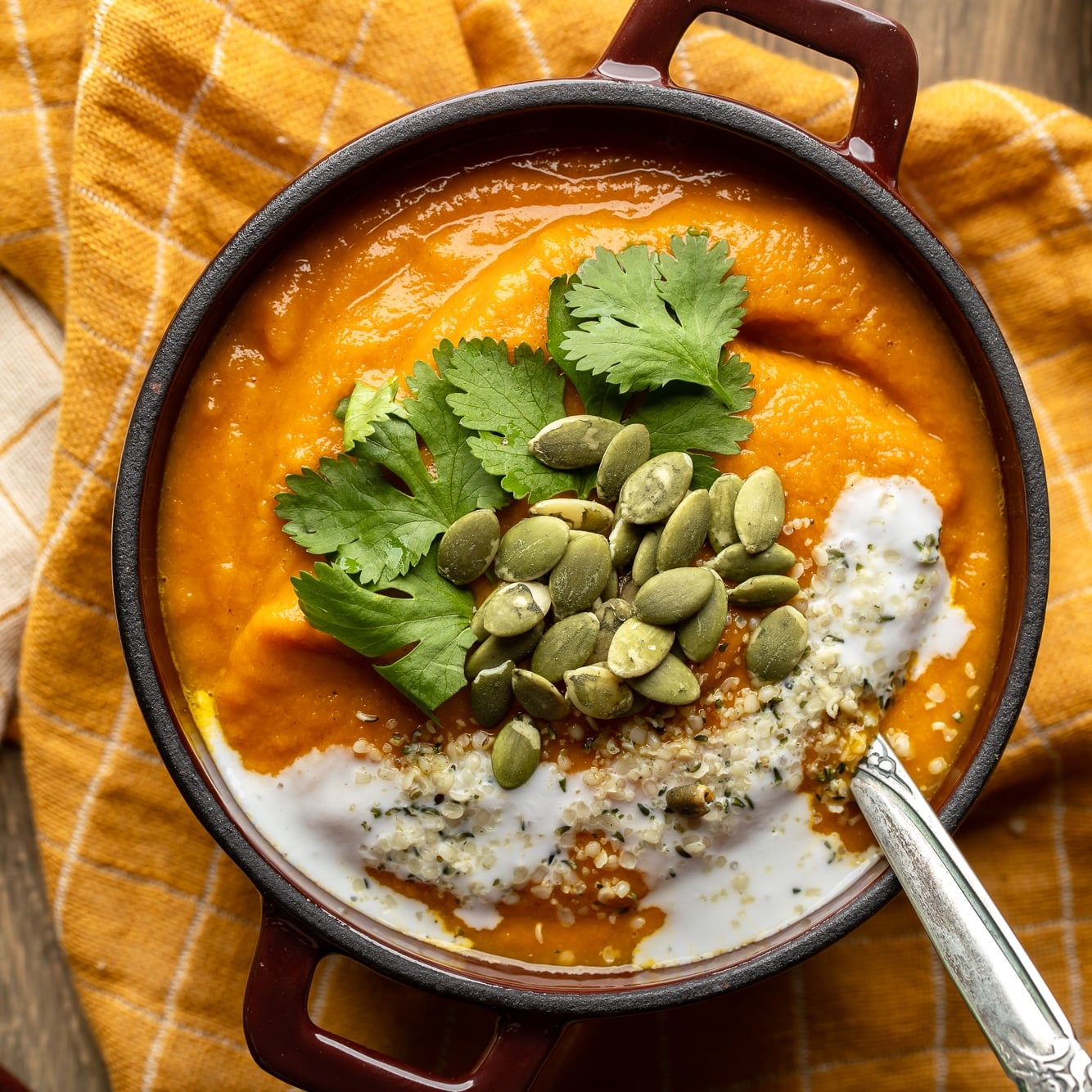
The comforting embrace of a warm bowl of soup is one of life's simple pleasures, and few offer the vibrant appeal and healthful benefits quite like carrot and ginger soup. This culinary gem, beloved for its striking color, silky texture, and invigorating flavor profile, has earned its place as a staple in kitchens worldwide. It’s a dish that effortlessly marries earthy sweetness with a gentle, spicy kick, creating a symphony for the senses. Whether you're seeking a nutritious lunch, a comforting dinner starter, or a restorative meal, a well-made carrot and ginger soup delivers on all fronts. Beyond its delicious taste, this soup is a powerhouse of essential nutrients, making it as good for your body as it is for your soul. Join us as we explore the depths of this wonderful creation, from its fundamental appeal to advanced techniques and creative variations that will inspire your next culinary adventure.
The Allure of Carrot and Ginger Soup: A Symphony of Flavors and Health Benefits
At its core, carrot and ginger soup is a celebration of simple, wholesome ingredients transformed into something extraordinary. Its popularity isn't just a fleeting trend; it’s rooted in its universal appeal, catering to diverse palates and dietary preferences. The distinct interplay between the natural sweetness of carrots and the pungent, aromatic warmth of ginger creates a flavor experience that is both familiar and exciting. This balance makes it incredibly versatile, suitable for a light meal on a chilly evening or a vibrant starter for a festive gathering.
A Culinary Classic Reimagined
While the basic concept of a vegetable purée is ancient, the combination of carrots and ginger has elevated this dish to a modern classic. It's a testament to how humble ingredients can achieve sophisticated results with thoughtful preparation. The beauty of carrot and ginger soup lies in its adaptability. While a basic recipe typically includes carrots, ginger, onion, garlic, and vegetable broth, there’s ample room for personal touches. Some prefer a touch of coconut milk for creaminess and a subtle tropical note, while others opt for a swirl of crème fraîche or Greek yogurt for a tangy richness. This flexibility allows home cooks to tailor the soup to their exact preferences, making each bowl uniquely their own. For a beginner-friendly guide to preparing this delightful dish, you might find our insights in carrot and ginger soup - Article 1 incredibly useful.
Nutritional Powerhouse
Beyond its exceptional taste, carrot and ginger soup is a nutritional champion. Carrots are famously rich in beta-carotene, a powerful antioxidant that the body converts into vitamin A, crucial for vision, immune function, and skin health. They also provide dietary fiber, vitamin K1, and potassium. Ginger, on the other hand, has been revered for centuries for its medicinal properties. It contains gingerol, a bioactive compound responsible for much of its therapeutic effects, including potent anti-inflammatory and antioxidant properties. Ginger is known to aid digestion, reduce nausea, and may even help with muscle pain and soreness. Together, these two ingredients create a soup that not only warms your body but also fortifies it against common ailments, making it a perfect choice during cold and flu season or anytime you need a healthful boost.
Crafting Your Perfect Carrot and Ginger Soup: Beyond the Basic Recipe
Mastering the art of making an exceptional carrot and ginger soup involves more than just following a recipe; it's about understanding the ingredients and the techniques that unlock their full potential. While simplicity is key, a few thoughtful steps can elevate your soup from good to truly extraordinary.
Essential Ingredients and Smart Substitutions
- Carrots: Naturally, the star of the show. Choose fresh, firm carrots for the best flavor. Roasting them before blending can deepen their sweetness and add a wonderful caramelized note.
- Ginger: Fresh ginger is non-negotiable for that vibrant, spicy kick. Adjust the amount to your preference – less for a subtle warmth, more for a pronounced zing.
- Aromatics: Onion and garlic form the foundational flavor base. Sautéing them until translucent (or even slightly caramelized) before adding other ingredients is crucial for depth.
- Broth: Vegetable broth is standard, but chicken broth can be used if you prefer. Opt for low-sodium varieties to control the seasoning.
- Fats: A touch of olive oil or butter for sautéing. Coconut milk, heavy cream, or even a swirl of cashew cream can be added at the end for richness and a velvety texture.
- Spices: Beyond salt and pepper, consider a pinch of coriander, cumin, or turmeric for added complexity. A dash of cayenne pepper or a fresh chili can amplify the heat.
Smart Substitutions: Don't be afraid to experiment! Sweet potatoes can partially replace carrots for a different kind of sweetness. Leeks can stand in for onions, offering a milder, more delicate flavor. If you're looking to troubleshoot common issues or dive deeper into ingredient nuances, don't miss carrot and ginger soup - Article 2.
The Art of Flavor Building
The secret to a truly flavorful carrot and ginger soup lies in layering. Start by gently sautéing your aromatics – onions and garlic – until soft and fragrant. This develops their sweetness and removes any raw edge. Next, add your chopped carrots and ginger, allowing them to soften slightly and absorb the flavors. If you're roasting your carrots, do this beforehand to intensify their natural sugars. Deglaze the pan with a splash of broth or white wine to capture any browned bits, which are packed with flavor. Simmering everything together allows the flavors to meld beautifully before blending.
Achieving the Ideal Texture
For that signature silky-smooth texture, a good blender is essential. An immersion blender offers convenience, allowing you to blend directly in the pot. For an exceptionally smooth purée, transfer the soup in batches to a high-speed blender. Be cautious when blending hot liquids – never fill the blender more than halfway, and remove the center cap of the lid (covering the opening with a kitchen towel) to allow steam to escape. If your soup is too thick, gradually add more broth or water until you reach your desired consistency. For an even more refined texture, you can pass the blended soup through a fine-mesh sieve, though this is often optional.
Elevating Your Carrot and Ginger Soup: Toppings, Pairings, and Serving Suggestions
While a bowl of plain carrot and ginger soup is satisfying in itself, a few thoughtful additions can transform it into an even more memorable meal. Garnishes add visual appeal and textural contrast, while careful pairings can complete the dining experience.
Creative Garnishes for Visual Appeal and Extra Flavor
Garnishes aren't just for show; they can introduce new textures and complementary flavors that enhance each spoonful. Consider these ideas:
- Toasted Seeds or Nuts: Pumpkin seeds, sunflower seeds, or slivered almonds add a delightful crunch and nutty flavor.
- Fresh Herbs: A sprinkle of fresh cilantro, parsley, or chives brightens the soup with vibrant color and aroma.
- Creamy Swirls: A drizzle of coconut cream, heavy cream, crème fraîche, or a dollop of Greek yogurt adds richness and a beautiful marbled effect.
- Chili Flakes or Hot Sauce: For those who love extra heat, a pinch of chili flakes or a few drops of sriracha can kick things up.
- Crispy Croutons or Toasted Bread: Adds a classic comforting crunch.
- Ginger Matchsticks: Thinly sliced fresh ginger, briefly sautéed or candied, for an intense ginger hit.
- Roasted Carrot Ribbons: Shave thin strips of carrot, roast them until slightly crisp, and use as an elegant topping.
What to Serve Alongside
Carrot and ginger soup pairs beautifully with a range of accompaniments, making it suitable for various meal types:
- Crusty Bread or Dinner Rolls: Perfect for soaking up every last drop of the flavorful broth.
- Simple Green Salad: A light, refreshing salad with a vinaigrette dressing offers a nice counterpoint to the soup's richness.
- Grilled Cheese Sandwich: A classic comforting pairing, especially on a chilly day.
- Light Protein: Grilled chicken, pan-seared fish, or even a side of roasted chickpeas can turn the soup into a more substantial meal.
- Quiche or Savory Tart: For a brunch or lunch setting, a slice of quiche can be an excellent partner.
Making Ahead and Storing
One of the beauties of carrot and ginger soup is that it often tastes even better the next day as the flavors have more time to meld. It's an ideal make-ahead meal. Store leftovers in an airtight container in the refrigerator for up to 3-4 days. For longer storage, this soup freezes exceptionally well. Portion it into freezer-safe containers or bags and freeze for up to 2-3 months. Thaw overnight in the refrigerator and reheat gently on the stovetop, adding a splash of broth or water if needed to adjust consistency. Avoid boiling rapidly, as this can affect the texture.
Exploring Regional Twists and Unique Variations of Carrot and Ginger Soup
The foundational concept of carrot and ginger soup provides a fantastic canvas for culinary exploration, drawing inspiration from diverse global cuisines. By introducing different spices, herbs, and liquids, you can transform this comforting classic into an exotic and adventurous dish.
Global Inspirations
- Thai-Inspired: Introduce coconut milk for creaminess, a splash of lime juice for brightness, and a dash of red curry paste for a fragrant, spicy kick. Garnish with fresh cilantro and crushed peanuts.
- Indian-Spiced: Sauté onions and ginger with warming spices like cumin, coriander, turmeric, and a hint of garam masala. Finish with a swirl of plain yogurt or a drizzle of tempered mustard seeds and curry leaves.
- Moroccan Influence: Add sweet paprika, cinnamon, and a pinch of cayenne pepper. Garnish with a drizzle of argan oil, fresh mint, and toasted slivered almonds.
- Mediterranean Freshness: Incorporate roasted red bell peppers alongside the carrots for a smoky sweetness. Finish with a swirl of extra virgin olive oil, fresh basil, and a sprinkle of crumbled feta cheese.
- Smoky Southwest: Roast carrots with a pinch of chipotle powder or smoked paprika. Add a fire-roasted tomato to the blend and serve with a dollop of sour cream or avocado crema, and a sprinkle of crispy tortilla strips.
Seasonal Adaptations
While carrots are available year-round, thinking seasonally can add another layer of depth to your carrot and ginger soup:
- Autumn/Winter: Embrace root vegetables. Add parsnips or sweet potatoes alongside the carrots for extra body and earthy sweetness. A hint of nutmeg or cinnamon can enhance the cozy feel.
- Spring: Brighten the soup with fresh herbs like dill or chervil. A squeeze of lemon juice after blending can add a zesty finish. Consider using young, tender carrots for a milder flavor.
- Summer: Keep it light. Opt for less cream or coconut milk and focus on fresh, vibrant ginger. Serve chilled or at room temperature as a refreshing starter. A garnish of cucumber relish or a fresh fruit salsa can be a surprising twist.
Experimenting with these variations not only keeps your meals exciting but also allows you to explore the incredible versatility of this beloved soup. Don't be afraid to mix and match elements from different inspirations to create a unique flavor profile that truly speaks to your palate.
Conclusion
From its humble origins to its status as a beloved classic, carrot and ginger soup offers a delightful blend of simplicity, nutrition, and incredible flavor. Whether you prefer a straightforward, purist rendition or enjoy venturing into global-inspired variations, this soup promises a comforting and invigorating experience. Its vibrant color is a feast for the eyes, its smooth texture a delight on the palate, and its healthful ingredients a boon for the body. We've explored the foundational techniques, offered creative garnishes, and delved into exciting twists, equipping you with the knowledge to craft your perfect bowl. So, next time you're seeking a meal that's both deeply satisfying and wonderfully good for you, remember the timeless appeal of carrot and ginger soup. It's more than just a dish; it's an invitation to savor the simple pleasures of home cooking.
